Esther Cobbah Calls for Mindset Shift to Advance Women’s Equity at Work
For decades, organisations around the world have introduced policies aimed at advancing gender equality in the workplace. Yet despite these commitments, many women continue to encounter invisible barriers that policies alone have not been able to dismantle.
According to the Founder and Chief Executive Officer of Strategic Communication Africa Ltd., Esther A. N. Cobbah, the real obstacle is often not the absence of policy, but the persistence of mindsets that quietly resist change.
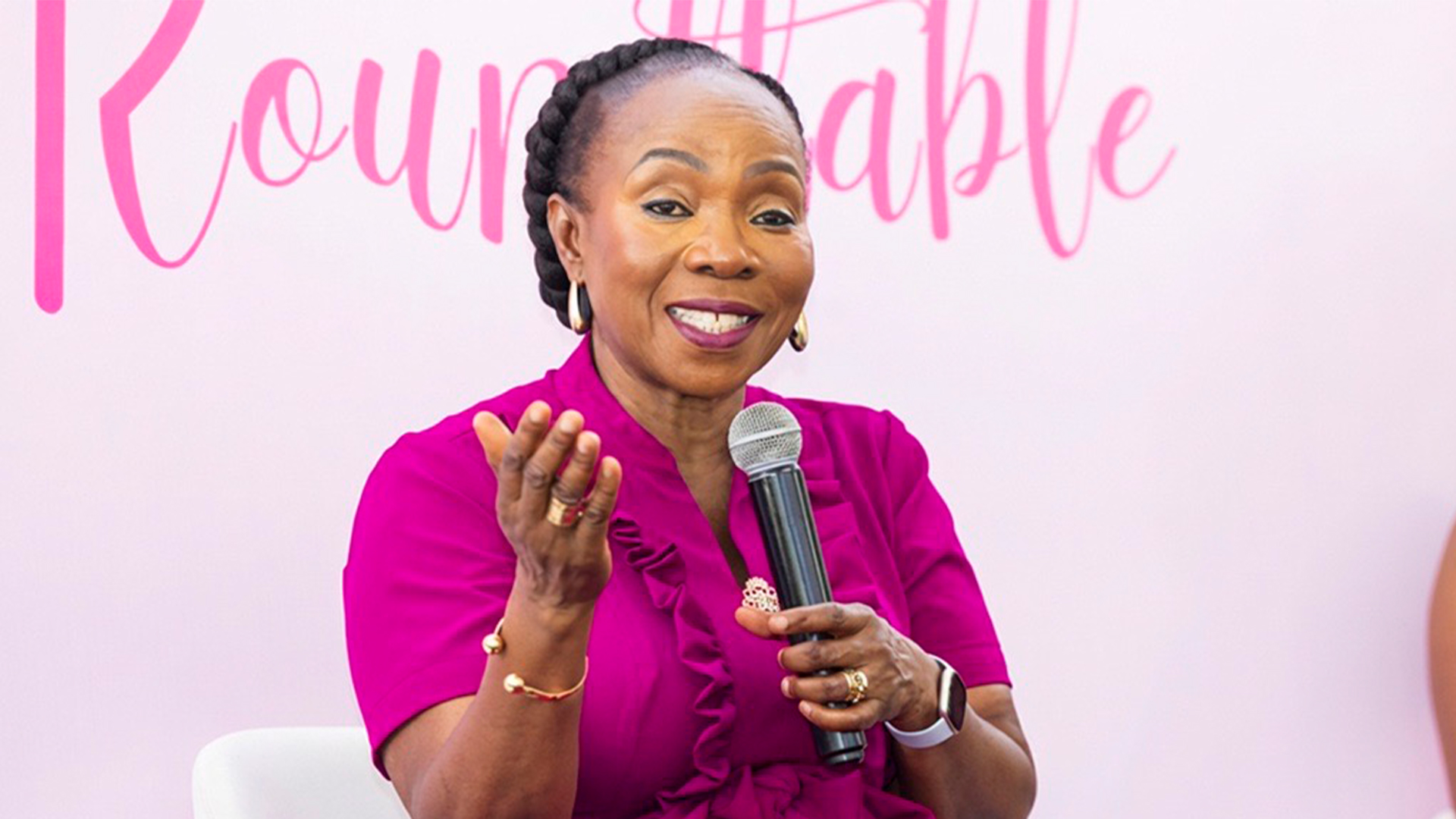
Speaking during a post–International Women’s Day dialogue at the Jubilee House under the theme “From Commitment to Action: Promoting Equity for Every Woman in the Workplace,” the Chief Executive Officer of Stratcomm Africa urged leaders and institutions to move beyond rhetoric and address the deeper cultural and behavioural barriers that often undermine gender inclusion policies.
For Ms. Cobbah, the challenge is not about creating policies that promote women’s participation in leadership but ensuring that the people responsible for implementing those policies are prepared to embrace them.
“Policies may exist on paper, but they can only come alive when the people responsible for implementing them understand and believe in their purpose.” she noted.
The Culture Behind the Policy
Drawing on her experience working in Ghana’s oil and gas industry; an environment traditionally dominated by men, Ms. Cobbah explained that institutional culture can quietly resist well-intentioned reforms.
She recalled her early encounters working on offshore oil rigs, where her presence as a woman was often met with silent skepticism.
“There was always that unspoken question: What is this woman doing here?” she said.
The reaction, she explained, reflected years of entrenched workplace norms that had evolved in male-dominated industries.
According to her, introducing policies that encourage women’s participation without addressing these underlying mindsets can limit their impact.
“If a policy says there should be more women in a particular role, but the environment still believes women do not belong there, the policy alone cannot succeed,” she said.
Instead, she advocated a participatory approach to policy development; one that engages the people who will implement the policy as well as those it is intended to benefit.
“We must understand the cultural context in which policies are implemented and work deliberately to shape the mindsets that sustain that culture,” she added.
Inclusion Requires Collective Ownership
Ms. Cobbah emphasised that advancing gender equity requires collective responsibility from both women and men in the workplace.
For women, she said, understanding the environment in which they operate is critical to navigating leadership spaces effectively.
At the same time, organisations must foster environments that genuinely support inclusion rather than simply projecting it.
“It is about the woman, the other stakeholders around her, and the environment in which they all operate. All three must evolve together.” she said. “
Intentional Leadership and Empowerment
The dialogue also featured insights from other prominent women leaders, including the Secretary to the Public Services Commission, Dr. Harriet Bani, and renowned broadcaster and women’s advocate Oheneyere Dr. Gifty Anti.
Dr. Bani highlighted the need for deliberate institutional strategies such as targeted training and mentorship to ensure that women progress into leadership roles within the public sector.
Dr. Anti, on her part, stressed the role of self-belief and mentorship in empowering women to step into leadership spaces.
“Self-belief is everything,” she said, urging women to pursue opportunities with confidence and to support others along the way.
Moving From Commitment to Action
Policies promoting gender equity must be supported by cultural awareness, inclusive leadership and a willingness to challenge long-standing assumptions about women’s roles in the workplace.
“When inclusion becomes part of an organisation’s mindset rather than just its documentation,” she said, “that is when real change begins.”
As institutions across Ghana continue to pursue gender equity, she noted that sustainable progress depends not only on what organisations promise, but on what they practice.